College and Career Pathways
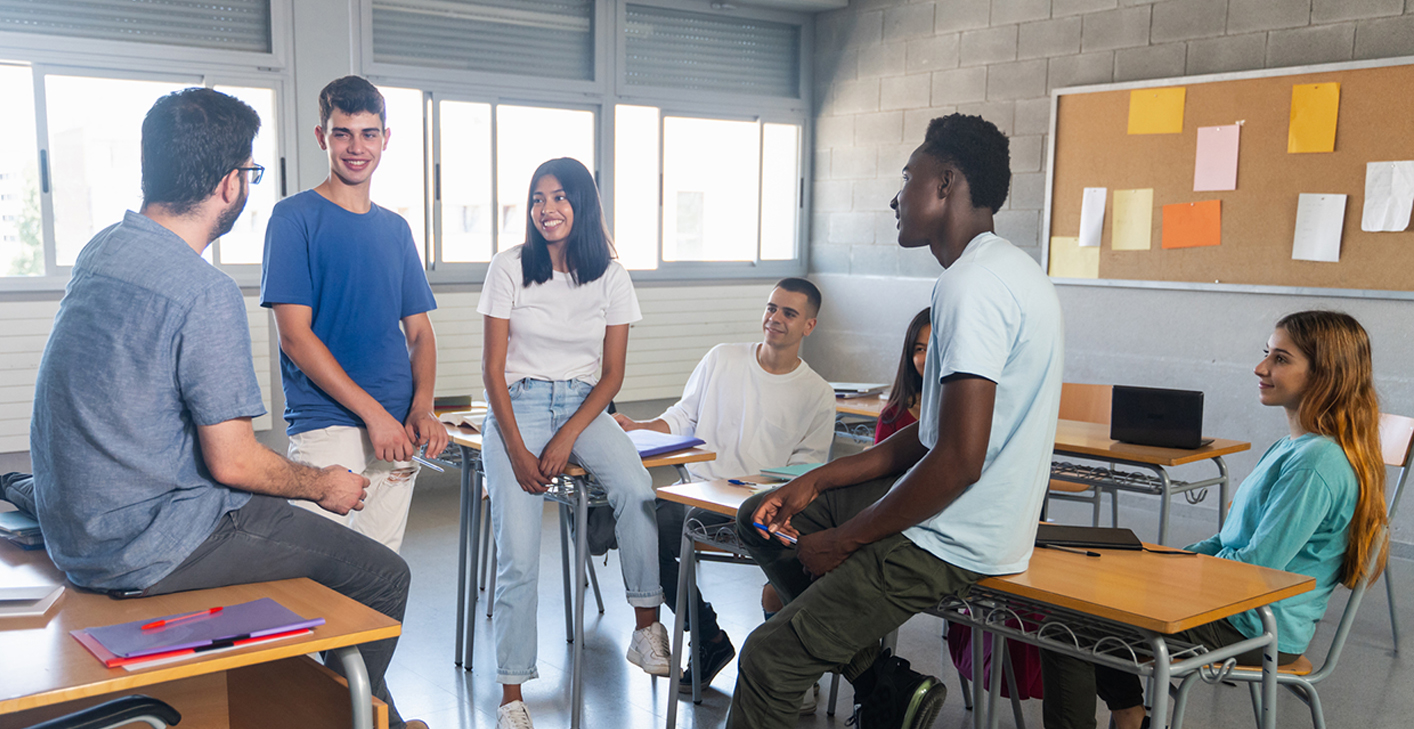
College and career readiness is the pursuit of the skills that students need to attain success after high school. Curriculum for career and college readiness includes higher level exploration in topics such as STEM, but also includes soft skills such as collaboration, communication, teamwork, time management and independence. These skills can be taught in a classroom setting but may also be learned through career exploration in leadership camps, internships, job shadows or apprenticeship programs.
Committees
PSAYDN employs an inclusive decision-making process with partners throughout the out-of-school time field through its committees.
Policy Committee
The Policy Committee provides guidance on key public policy issues affecting Pennsylvania out-of-school time programs, including funding, licensing and governmental relations. This committee is instrumental in designing our legislative agenda and planning advocacy training and events.
Quality Committee
The Quality Committee supports the development of regional and statewide systems to ensure high quality out-of-school time programs in rural, suburban and urban communities across the state. They work to implement data collection systems and quality standards that work for the field and plan professional development for both educators and leadership.
If you are interested in serving on a committee, please contact PSAYDN to discuss opportunities.
Entrepreneurship
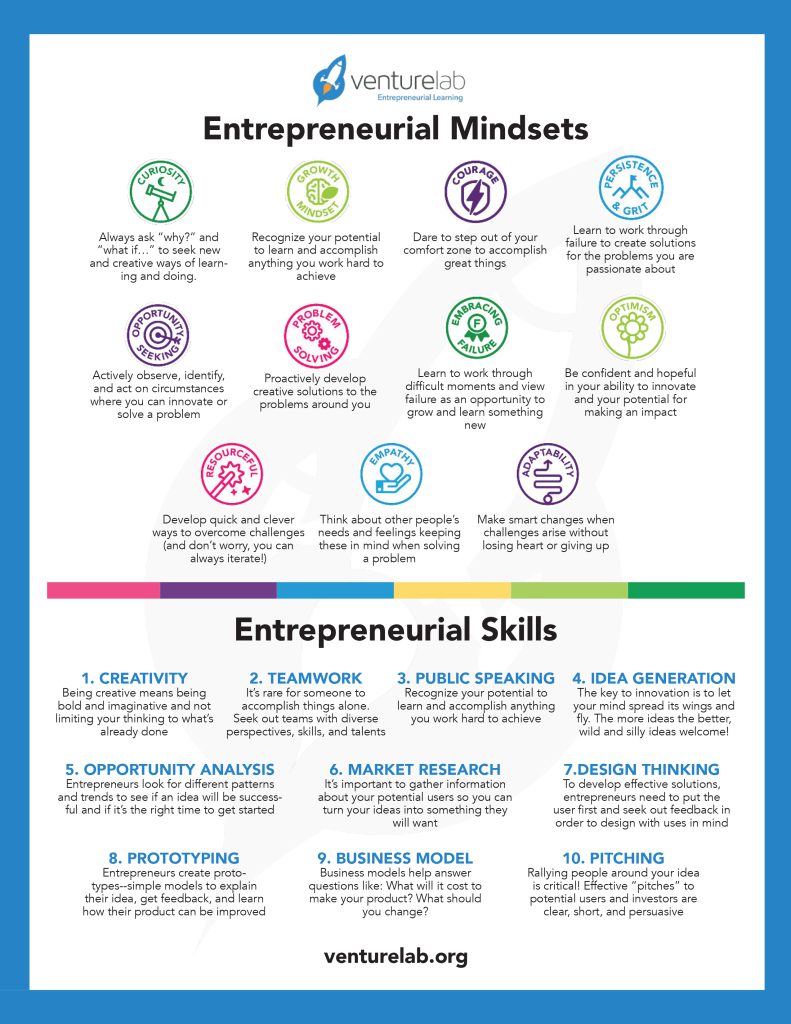
PSAYDN works with regional, state and local partners to provide entrepreneurial learning opportunities for out-of-school-time (OST) programs.
Entrepreneurship programming incorporates design thinking and the use of both hard and soft skills to find innovative solutions to today’s problems.
Entrepreneurship encourages a growth mindset for students to “think outside the box” and take risks, while considering how their product or service can benefit society.
Entrepreneurship education relates directly to college and career readiness, financial literacy, and STEM learning while expanding students personal and academic prosperity.
Financial Literacy
Financial literacy is simply being “money wise.” Important financial literacy concepts and subjects include:
- Debt.
- Budgets.
- Investments and savings.
- Taxes.
- Interest rates.
- Credit.
- Insurance.
Financial literacy is one of the most important fundamental skills for students of all ages. To begin laying this financial foundation, elementary students can investigate types and amounts of money, develop smart spending habits, and gain responsibility with money. Middle school and high school students can explore further by learning the difference between a checking and savings account, how to write a check, and the process of college lending. By teaching financial literacy early in a student’s academic development, we can encourage them to save money and inspire them to positively steer their financial destiny.

Million Girls Moonshot
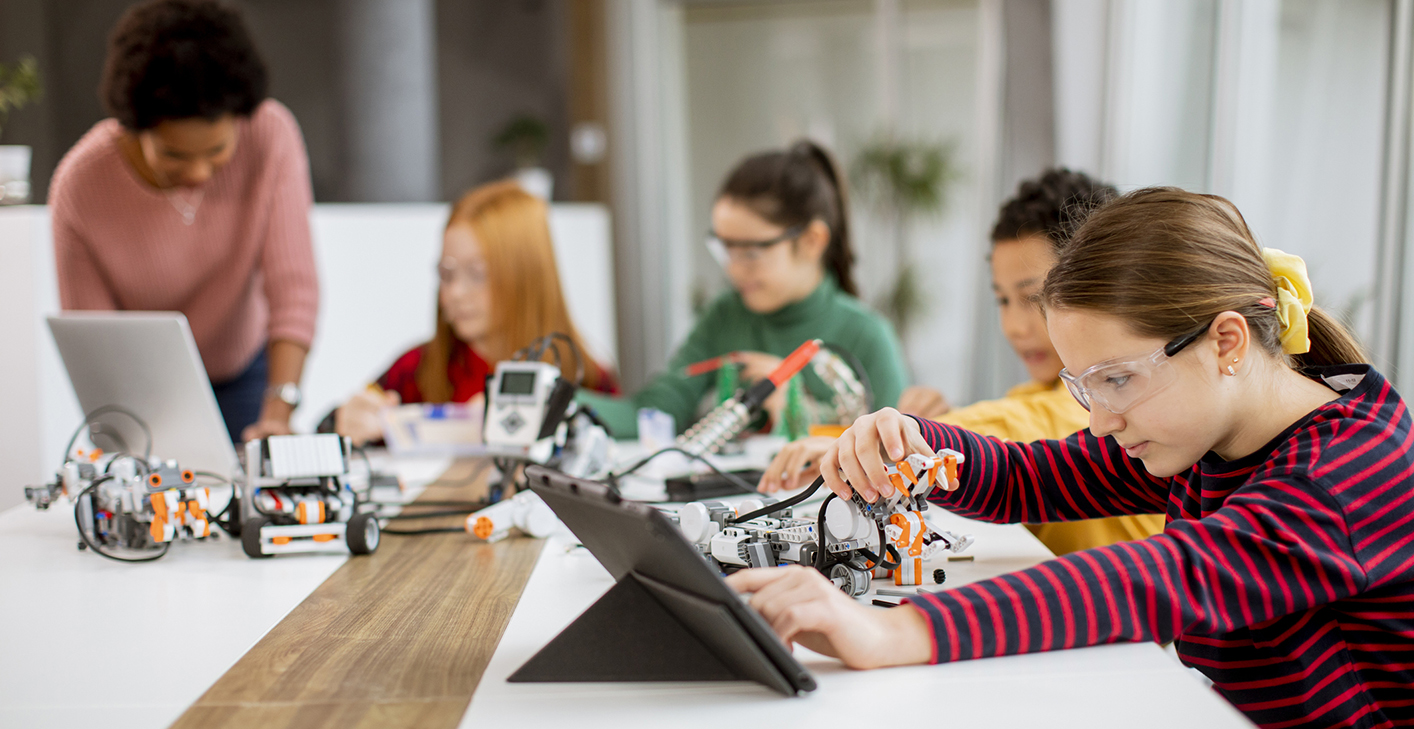
PSAYDN is proud to be a part of the Million Girls Moonshot initiative, working to inspire and prepare the next generation of innovators by engaging one million more girls in STEM learning opportunities through afterschool and summer programs over the next five years.
The Million Girls Moonshot allows girls to envision themselves as future innovators, while increasing the quality of out-of-school STEM learning opportunities for all young people, particularly underserved and underrepresented youth.
About Million Girls Moonshot
The Moonshot is designed to spur girls’ interest, understanding and confidence in STEM and equip them to become problem solvers with an engineering mindset. Led nationally by the STEM Next Opportunity Fund and the Charles Stewart Mott Foundation in partnership with the Intel Foundation and the Gordon and Betty Moore Foundation, the Million Girls Moonshot:
- Leverages afterschool networks in all 50 states to help school-age girls access high quality STEM education, support and mentors.
- Uses an equity and inclusion framework that is youth centric and culturally responsive to increase gender, racial and socio-economic diversity in STEM.
- Provides resources, support, mentorship and expert guidance to help educators deliver hands-on STEM experiences in afterschool, out-of-school time and summer learning programs.
Service-learning
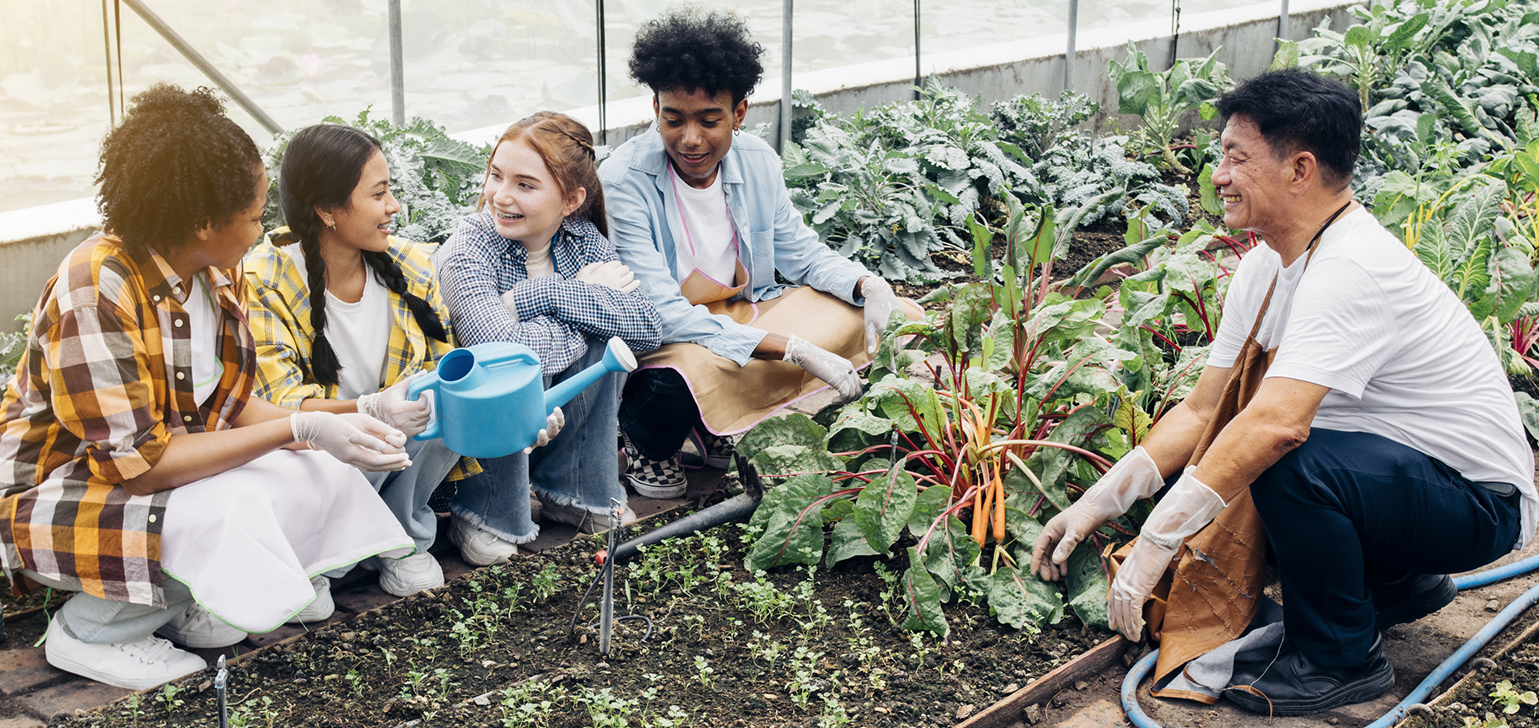
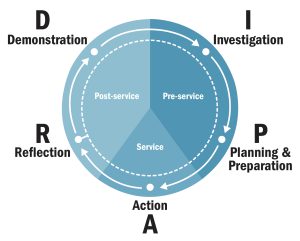
Service-learning is a project-based learning and teaching approach that connects the classroom to the community. Student driven, using a process engineered for change exploration, youth use their academic and civic skills to identify issues and design projects that work to solve the problems they are passionate about in society. Service-learning promotes career exploration, social and emotional wellness, and 21st century skill building through service, while empowering the student through youth voice.
STEM Ecosystems
A STEM Ecosystem is a group of local, regional or statewide leaders from education, business and nonprofits that leverage collective action to create high quality STEM experiences for youth. As more than half of working scientists say they were inspired to join their profession from informal science experiences, STEM experiences that are outside the school day are crucial to educating the next generation of STEM professionals. Afterschool and OST science programs inspire children’s interests and allow them to delve deep into their passions. STEM Ecosystems allow formal educators, local businesses, nonprofits and informal STEM educators to work together across a region to have a greater impact on youth.
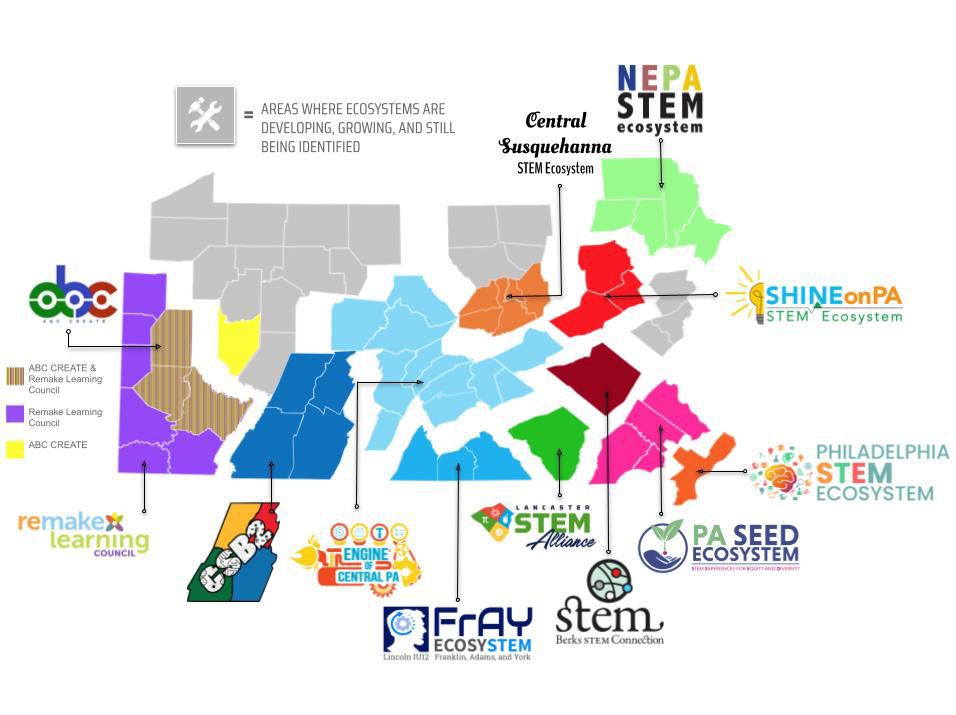
Pennsylvania is recognized as a national leader in STEM education because of its STEM Ecosystems.
There are 13 STEM Ecosystems in Pennsylvania: